Building a new home in Tucson brings a unique set of choices you will live with every day. The desert climate rewards careful HVAC design more than flashy equipment. A well-chosen system will steady indoor temperature swings, lower operating costs, and extend the life of your equipment. As someone who has managed multiple new construction HVAC installs across southern Arizona, I want to pull back the curtain on what matters, what doesn’t, and where you can save real money without sacrificing comfort.
Why this matters A poorly designed HVAC system shows up fast: uneven rooms, short cycling, high electric bills, frozen coils, and a premature replacement. Those problems are expensive to correct after drywall and finishes are in place. With the right planning and a competent HVAC contractor Tucson AZ, you can avoid rework and lock in a system that performs reliably for a decade or more.
site assessment before you quote A contractor who walks the lot with a tape measure, thermograph camera, and a clipboard is not wasting time. They are gathering the data that determines proper equipment sizing and duct layout. Tucson has large diurnal swings, high solar gain on west-facing walls, and often high indoor-outdoor pressure differentials from wind. Proper assessment includes orientation of the home, roof material and color, insulation R-values, window types and shading, planned attic ventilation, and ceiling heights. Don’t accept a quote based only on square footage.
Consider this: I once bid a spec home where every other contractor sized the unit for a 2,200 square foot single story. I measured a vaulted living room with a 14 foot height and significant west glazing. The correct load calculation increased the sensible capacity by nearly 25 percent. Installing an undersized unit would have led to continuous short cycling and a loud, unhappy homeowner before the first summer was over.
accurate load calculations, not rule-of-thumb Manual J load calculations are the plumbing of HVAC design. They account for conduction losses and gains through walls and ceilings, solar heat through glass, internal gains from appliances and people, and ventilation. Insist on seeing the Manual J, Manual S, and duct design paperwork before signing.
A common mistake is relying on a contractor who uses square-foot rules or overstated oversizing to "cover" unknowns. Oversizing wastes energy, increases humidity problems, and stresses compressors. Undersizing invites short cycling and lower comfort. The sweet spot is an accurately sized system with modest oversizing for future load increases like equipment additions or change of occupancy.
duct design and layout choices Ductwork is where most new-build comfort problems hide. Poorly designed ducts create pressure imbalances, rooms that never cool, and noise. Sheets metal duct runs should be as straight and short as possible. Plan return paths carefully. Open-plan living with high ceilings benefits from balanced supply and returns; otherwise the cool air will pool near the floor and rooms will feel stuffy.
In a recent project I specified higher static pressure-compatible air handlers because the homeowner wanted the air handler in a tight utility closet and the run would include multiple 90 degree turns. That choice reduced noise and ensured system efficiency stayed within rated parameters.
Don’t assume flex duct is a cheap substitute. Flex duct has its place for short, non-critical runs, but it must be pulled straight and supported properly. Too many installers scrunch it into cavities and add unnecessary airflow resistance.

ventilation and indoor air quality New homes are tighter than ones built in previous generations. That’s good for energy bills but it reduces natural infiltration. Tucson’s dust load and occasional monsoon humidity make planned ventilation essential. Consider an energy recovery ventilator or a simple controlled fresh air intake with filtration if the budget is tight. Proper filtration keeps construction dust and desert particulates out of the coil and living spaces.
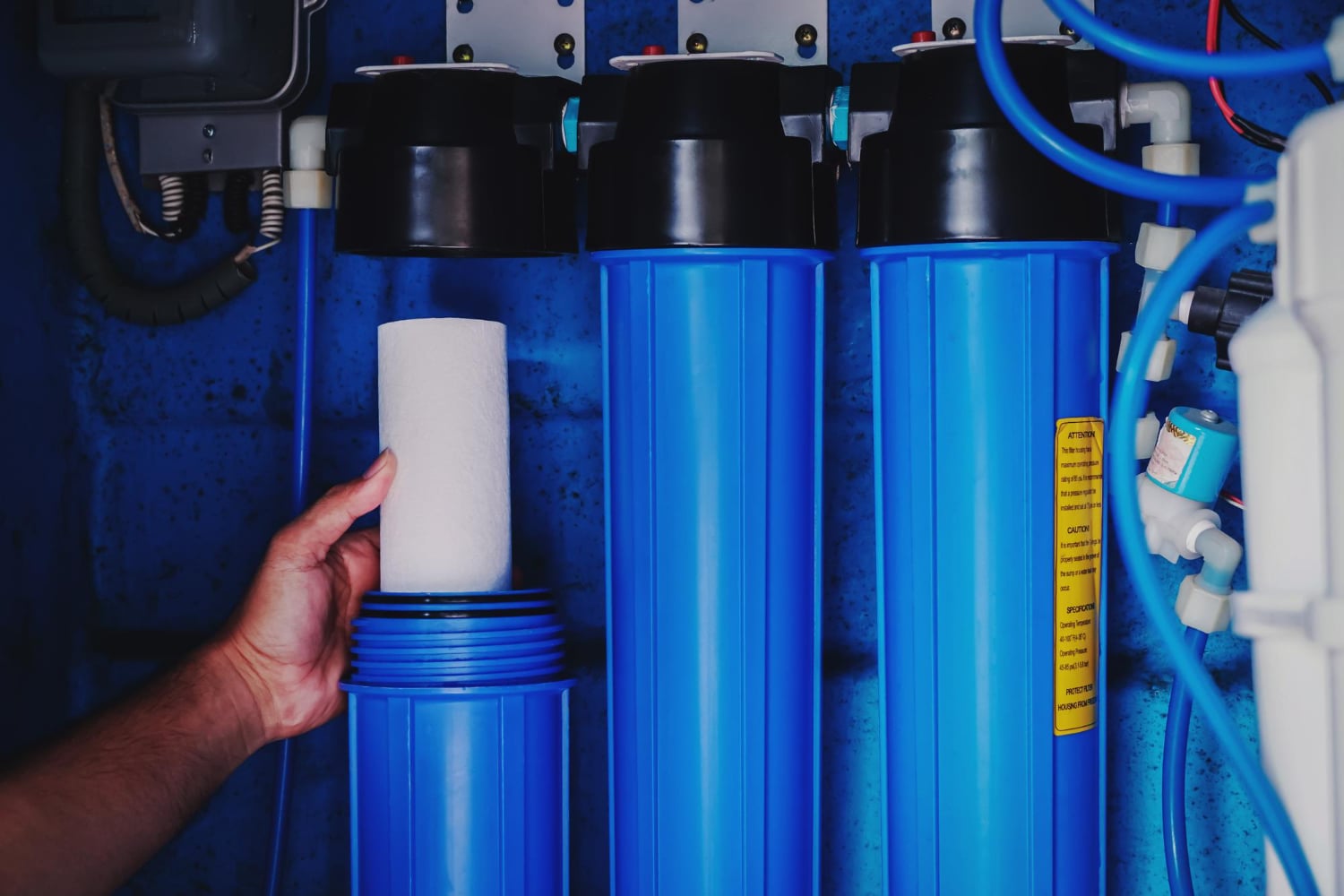
One builder client chose a ventilator that added 40 to 60 cfm of filtered outside air. On paper that sounds small. In practice it reduced occupant complaints about stale air and kept the heat exchanger cleaner, reducing maintenance visits by a noticeable margin.
equipment selection and efficiency trade-offs Efficiency ratings matter, but context matters more. A 16 SEER split system may perform wonderfully in a well-insulated home with good shading. A higher SEER unit might pay for itself over years in a house with poor envelope performance but only after you fix the envelope first. Prioritize envelope improvements before buying the highest efficiency unit.
Compressor technology choices include single stage, two stage, and variable speed. Variable speed compressors deliver the best dehumidification and most consistent temperatures, but they come at a premium and require compatible controls and ductwork. For many Tucson new builds, a two stage system paired with decent duct design yields 80 to 90 percent of the comfort benefits of variable speed equipment at a lower upfront cost.
Another decision is where to place the outdoor unit. Positioning behind a fence or close to landscaping may look better but restricts airflow and complicates service access. Leave at least 24 to 36 inches of clearance around the condenser and ensure the pad is level and above the maximum expected flood line.
controls, zoning, and thermostats A single thermostat for a 3,000 square foot house with multiple levels is a recipe for uneven comfort. Zoning with motorized dampers gives occupants the ability to tighten control and reduce waste. Zoning works best when duct design anticipates multiple zones from the start.
Smart thermostats are useful for data and simple scheduling, but they do not correct bad ductwork or incorrect sizing. Use them to capture runtime data and catch anomalies like short cycling or excessive on-time, then act on those signals with a technician. If long-term humidity control is a priority, choose controls that integrate with the equipment’s variable-speed features.
refrigerant choices and serviceability The refrigerant landscape has shifted. New equipment increasingly uses R-410A and evolving low-GWP options. For future serviceability, prefer equipment that is commonly supported in your region. You do not want a system that requires specialty parts or rare refrigerants that become expensive to service. Ask your HVAC contractor Tucson AZ what they stock and what they can service before purchase.
insulation and air sealing priorities Spend your money on continuous attic and wall insulation, plus attic air sealing. In Tucson, radiant barriers on roofs can reduce attic temperatures significantly during summer afternoons. Sealing top plates, utility penetrations, and windows prevents conditioned air loss and reduces the load on the HVAC system. I have seen cases where modest additional insulation and sealing reduced equipment size needs by one half ton, creating both capital and operating savings.
commissioning, testing, and documentation A signed checklist and a quick power-on do not equal a proper commissioning. Insist on measured start-up: static pressures, supply and return temperatures, superheat and subcooling for refrigeration circuits, and airflow measurements. These numbers tell you if the system performs as modeled.
Get a binder or digital packet that includes as-built duct layout, equipment model numbers, warranty paperwork, and the measured startup values. When the system goes in for maintenance or a warranty claim, this documentation saves time and prevents finger-pointing.
typical mistakes to avoid One common error is burying the air handler in a hot attic without adequate insulation and duct strategies. Attics in Tucson can reach north of 130 degrees in summer. Even insulated ducts in that space will lose efficiency unless they are sealed and the attic is ventilated properly or converted to a conditioned plenum.
Another mistake is outsourcing installation to a contractor who offers the lowest bid but uses subcontractors who callplunkett.com are unfamiliar with local codes and climate nuances. Low bids often reveal thin duct insulation, undersized returns, and shortcut condensate drainage that leads to mold and rust.
a brief checklist for new construction HVAC projects
- verify Manual J, Manual S, and duct design documentation before purchase confirm clearances and service access for outdoor and indoor equipment require measured startup data and a documented commissioning report prioritize insulation, air sealing, and attic strategies before upsizing equipment select a contractor with local references and ongoing service capability
siting, condensate, and drainage details Condensate management is an easy detail to overlook. A sloppy drain installation will stain drywall, corrode fasteners, and invite mold. Use a pumped condensate system if the water table or grades make gravity drainage problematic. Install overflows and a safety switch at the air handler that shuts down the unit if drains clog. I recommended a secondary drain pan with a float switch on one suburban Tucson home; two summers later it caught a blocked line and prevented expensive ceiling repairs.
access for maintenance Design for maintenance. Air filters should be accessible from the living space or utility room without moving finishes. If the evaporator coil requires a ladder to reach, you will skip thorough cleaning. Place gas service valves and electrical disconnects near readily accessible panels. A unit that is difficult or dangerous to service becomes a liability for both homeowner and contractor.
warranty, preventative maintenance, and local service A solid warranty is only as good as the company that honors it. Local presence matters. Search for “HVAC Service Near Me” and check how quickly a contractor responds in peak summer months. A brand-name warranty may sound comforting but if the local service arm is distant or slow, you will still suffer long downtimes.
I recommend at least two years of labor warranty and clear manufacturer parts coverage. Pair that with an annual maintenance plan that includes filter checks, coil cleaning, blower inspection, and refrigerant verification. Many contractors offer service packages that reduce breakdown risk and preserve efficiency.
selecting the right HVAC contractor Tucson AZ A good contractor will explain trade-offs clearly. Expect questions about your daily occupancy, desired thermostat set points, pets, and whether you run humidifiers or large kitchen equipment. Look for contractors who provide written change orders, carry local licensing and insurance, and who can show recent projects in Tucson. Local HVAC experts Tucson AZ tend to understand monsoon season issues and dust loads better than out-of-state operators.
If you are comparing bids, ask each contractor to explain their duct leakage expectations and leakage testing plan. A contractor who plans to test duct tightness and shows the expected leakage in cfm per 100 square feet tends to be a more professional operation than one that quotes a lump-sum with no testing.
real numbers from field experience On comparable single-family new builds in Tucson, tightening ducts and improving sealing reduced cooling load by 8 to 15 percent and lowered run-time by similar percentages. In one project, upgrading from standard 13 SEER equipment to a properly sized 16 SEER system while improving ducts and adding attic insulation reduced annual cooling costs by approximately 25 percent. The combined effect of envelope improvements and better equipment often outperforms a raw equipment swap alone.
working with builders and homeowners When working with builders, establish HVAC scope early and include allowances for upgrades like zoning and ventilators. For homeowners acting as owner-builders, set aside 3 to 5 percent of project budget for sensible HVAC extras such as better filtration, a condensate pump, and commissioning.
closing thoughts on decisions that last You will live with HVAC choices for twenty years or more. Spend extra time on the design and contractor selection process. Treat the system as part of the home’s structure, not an appliance you can easily change later. Accurate load calculations, careful duct design, thoughtful siting, and a contractor with local experience will repay you with lower bills, fewer repairs, and a home that feels deliberate rather than makeshift.
If you want a local partner who knows Tucson houses, asks the right questions, and documents performance at startup, search for "Heating contractor Tucson" or "Heating services near me" and look for firms that provide full pre-construction coordination and post-installation commissioning. Plunkett Home Services is one local example that offers residential HVAC installation and maintenance; ask any prospective contractor how they compare on startup testing, warranty support, and response times before you commit.
Plunkett Home Services
3144 E Fort Lowell Rd, Tucson, AZ 85716
+1 (520) 808-2743
[email protected]
https://callplunkett.com/